Pole parties: what they are and how to run one
 Save
A pole party is a private session where a group learns pole dancing moves together, usually to mark a birthday, hen do or just a night with friends. Cumbria Pole Art explains what makes them work, what you need to set one up, and how to keep everyone safe and engaged.
What happens at a pole party
The host books a studio or sets up at home. An instructor teaches a short routine or a handful of beginner moves. The group works through the moves together, with time for photos and laughter between attempts.
Most sessions run for an hour or two. The pace is relaxed. Nobody expects perfection, and the emphasis sits on trying something new rather than mastering technique.
Choosing between a studio and a home setup
A studio gives you multiple poles, crash mats and enough space for a group to spread out. The instructor handles the lesson plan and safety checks. You turn up, and the structure is already there.
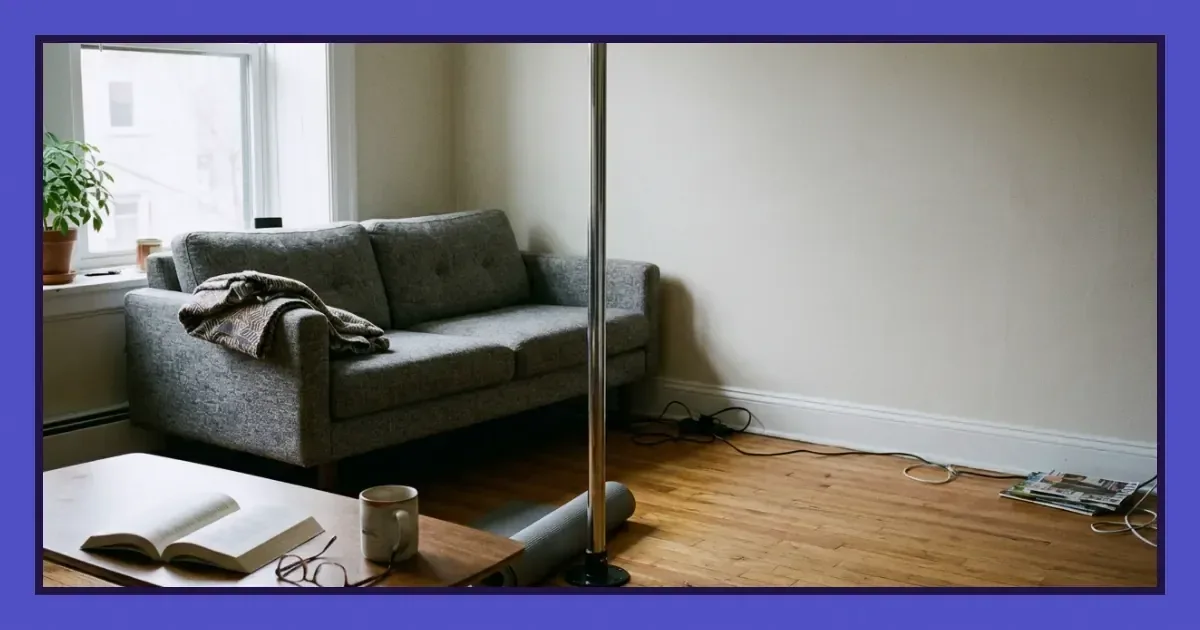
A home party needs a pole that can take the weight and height of every guest. You'll need room for people to swing without hitting furniture or each other. If you're hiring an instructor, confirm they're comfortable teaching in a private space and check their insurance covers it.
Home setups work for smaller groups who want a more informal feel. Studios suit larger numbers and first-timers who want the reassurance of a professional environment.
What to wear and what to bring
Shorts expose enough skin on the thighs and calves to grip the pole. A fitted top that won't ride up during inverts keeps you covered while you move. Bare feet give you the best grip, though some people start in trainers and switch once they're warm.
Bring a water bottle. Pole dancing heats you up faster than you expect. A small towel is useful for wiping down the pole between turns, and some people like grip aid for their hands.
If you're hosting, remind guests to remove jewellery that might catch on the pole or scratch the chrome. Rings, bracelets and long necklaces all need to come off before anyone spins.
Running the session safely
- Warm up for at least five minutes before anyone touches the pole—shoulders, wrists, ankles and hips all take load during spins and holds.
- Teach one move at a time, breaking it into smaller parts so everyone can follow without rushing.
- Spot first-timers when they try anything off the ground, standing close enough to steady them if their grip slips.
- Wipe the pole between people to remove sweat and product buildup that makes the surface slippery.
- Watch for fatigue—if someone's grip is weakening or their form is breaking down, they need a rest before they try again.
Picking moves that suit a mixed-ability group
The fireman spin is a reliable opener. It looks impressive, it's low to the ground, and most people can land it within a few attempts. A chair spin or a front hook spin gives the group a second move that builds confidence without asking too much.
Avoid anything that requires significant upper-body strength unless you know the group trains regularly. Inverts and climbs frustrate beginners and eat up time that could go toward moves everyone can actually do. The fireman spin breaks down the body positions that make the move work, and it's a good reference if you're teaching it yourself.
Adapting for complete beginners
If nobody in the group has touched a pole before, spend the first half-hour on basic spins and poses around the pole rather than on it. Walking around the pole while holding on builds comfort with the movement and the grip. Simple leg hooks and knee holds let people feel what it's like to support their weight without committing to a full spin.
Once they're comfortable, move to one or two low-level spins. That gives everyone something to take away without overwhelming them.
What to avoid
Don't push people into moves they're visibly nervous about. Pressure turns a fun session into a stressful one, and someone who's tense is more likely to slip or pull something.
Avoid alcohol before or during the session. Reaction times slow, balance weakens, and the risk of injury goes up. Save the drinks for afterward.
Don't let the session drag. If energy is dropping or people are losing focus, wrap it up rather than padding the time. A short, energetic session beats a long one where half the group is sitting out.
Frequently asked questions
Do you need to be fit to join a pole party?
No. Most pole parties focus on beginner moves that don't require significant strength or flexibility. You'll build grip and coordination as you go, and the instructor will adapt moves to suit the group.
How much space do you need for a pole party at home?
You need enough room for people to extend their legs fully in every direction without hitting walls or furniture. A clear radius of around two metres from the pole is a reasonable minimum.