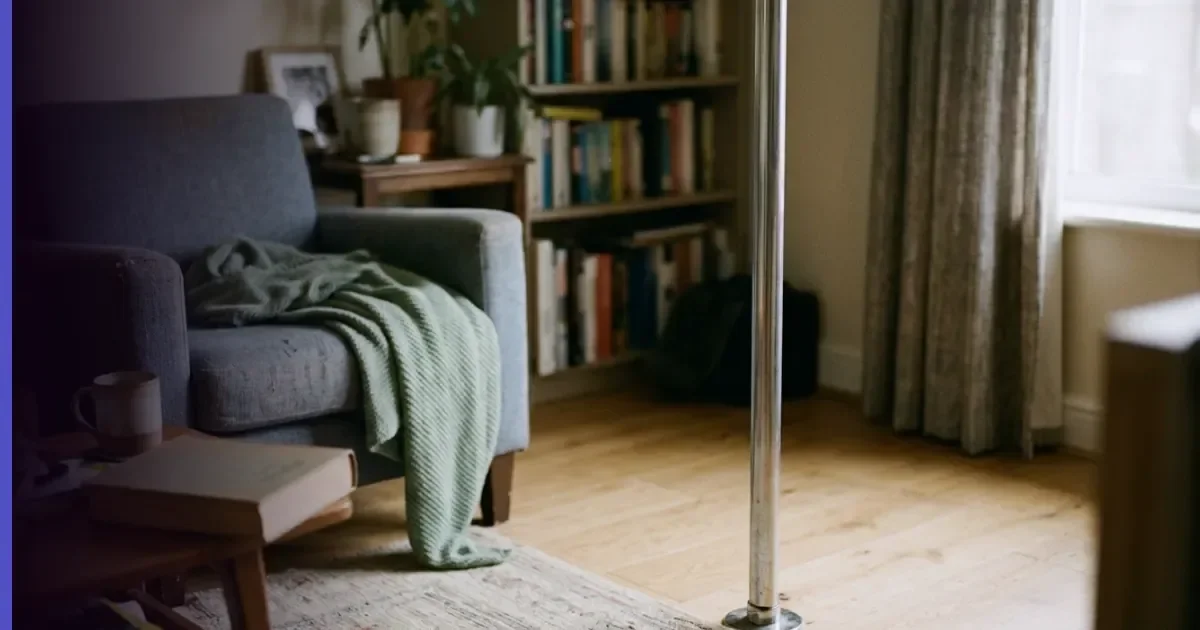
There are times when stepping away from pole becomes necessary—injury recovery, burnout, a period of intense work or family demand. Cumbria Pole Art looks at how to manage breaks without losing conditioning, when a pause protects rather than delays progress, and how to return safely.
Why you might need to remove access
Injury is the clearest reason. A torn muscle, tendon strain or joint issue demands rest, and training through it lengthens recovery. You lose weeks instead of days.
Burnout shows differently. You stop enjoying sessions, skip warm-ups, rush through moves you used to refine. The physical habit remains but the mental engagement has gone.
Life circumstances matter too. A house move, caring responsibilities or a work deadline can make regular practice impossible. Trying to maintain your usual schedule during those periods adds stress rather than relieving it.
What happens during a break
Strength drops faster than you expect in the first two weeks, then the rate slows. Conditioning built over months doesn't vanish in a fortnight, but you'll notice the difference when you return.
Flexibility holds longer if you maintain gentle stretching. Ten minutes of static stretches three times a week keeps most of your range. Stop entirely and you'll feel tighter within days.
Skill memory—the body's recall of how a move sequences—persists through breaks of several weeks. You'll need a few sessions to smooth out timing, but the movement pattern stays.
Four ways to step back without losing everything
- Replace pole sessions with bodyweight conditioning—press-ups, planks, hollow holds—for twenty minutes twice a week. You maintain core and shoulder strength without loading an injury or demanding grip.
- Keep a stretching routine going. Pick five stretches that target your tightest areas and hold each for two minutes. Do this three times a week and you'll return with most of your flexibility intact.
- Watch videos of moves you were working on. Mental rehearsal keeps the sequencing sharp and shortens the re-learning phase when you're back on the pole.
- Set a return date before you stop. Open-ended breaks drift into months. A fixed end point—even if you adjust it later—keeps the pause deliberate rather than indefinite.
Signs the break needs to start now
Pain that changes your movement is the hardest line. If you're compensating—shifting weight, skipping one side, avoiding certain grips—you're teaching your body poor patterns and deepening the original problem.
Persistent fatigue that rest days don't touch signals overtraining or life stress that pole is compounding. One tired week is normal. Three weeks of dragging yourself to the pole means something needs to change.
Dread before sessions used to be enjoyment. Burnout doesn't always feel dramatic; sometimes it's just the absence of pleasure. If you're training from obligation rather than interest, a break resets that relationship.
What a safe return looks like
Start with moves you learned early, not the ones you were refining before the break. Your brain remembers the advanced skills but your connective tissue has detrained. Rushing back to them risks new injuries.
Halve your session length for the first two weeks. Thirty minutes feels short, but fatigue arrives faster after time off. Stopping before you're exhausted prevents the compensation patterns that cause strains.
Expect frustration in week one. Moves that felt automatic will feel clumsy. Strength returns within a month if you're consistent; expecting it back in the first session sets you up for disappointment.
Managing access for someone else
If you're responsible for a shared pole—at home with family, or managing a space others use—removing access sometimes means protecting someone from themselves. A teenager training through pain, or a partner ignoring medical advice, puts long-term function at risk for short-term progress.
State the boundary plainly. "The pole's off-limits until the physio clears you" is clearer than "maybe take it easy". Ambiguity invites negotiation.
Offer an alternative that meets the same need. Someone training for a performance can work on floorwork or flexibility. Removing one outlet without suggesting another creates resentment rather than understanding.
When to get advice
Injuries that don't improve with a week's rest need a physiotherapist who understands overhead movement. General advice often misses the specific demands pole places on shoulders and wrists.
Persistent burnout despite breaks may signal overtraining syndrome or an underlying health issue. A sports medicine professional can distinguish between needing rest and needing treatment.
If stepping back from pole reveals that it was masking stress or low mood rather than relieving it, talk to someone. Physical activity should add to wellbeing, not substitute for addressing what's underneath.
Next steps this week
Decide what kind of break you need—full rest, reduced frequency, or a shift to conditioning-only.
- Write down the return date and the first three moves you'll attempt when you're back.
- Set up a minimal maintenance routine: two conditioning sessions and three stretching blocks.
- Tell someone your plan so the break stays deliberate rather than drifting into avoidance.
- If pain is the reason, book the physiotherapist appointment now rather than waiting to see if it improves.
This guide is for general information only. Cumbria Pole Art does not sell goods or services.
Frequently asked questions
What happens to your strength after two weeks off the pole?
Strength drops noticeably in the first two weeks, then the rate of loss slows. Conditioning built over months doesn't disappear, but you'll feel weaker when you return and need a few sessions to rebuild.
How do you keep flexibility during a break from pole dancing?
Maintain gentle static stretching three times a week, holding each stretch for two minutes. Focus on your tightest areas. This keeps most of your range; stopping entirely makes you noticeably tighter within days.
When should you remove access to the pole for an injury?
Remove access when pain changes how you move—compensating, skipping one side, or avoiding grips. Training through it teaches poor patterns and lengthens recovery. Rest until a physio clears you.
How long does it take to return to your previous level after a break?
Strength returns within a month if you're consistent. Skill memory persists through several weeks off, but timing needs smoothing in the first few sessions. Start with early-learned moves and halve your session length for two weeks.
What are the signs that burnout requires stepping back from pole?
Dread before sessions, skipping warm-ups, rushing through moves, and training from obligation rather than interest. Persistent fatigue that rest days don't touch is another clear sign. A break resets the relationship with practice.
Can you maintain pole fitness without using the pole?
Yes. Bodyweight conditioning—press-ups, planks, hollow holds—twice a week maintains core and shoulder strength. Add static stretching three times a week for flexibility. You won't hold everything, but you'll shorten the return phase significantly.